









Before smartphones turned every moment into a quick tap and a cloud upload, preserving memories required time, intention, and emotion. Families didn’t just collect photos—they cared for them, protected them, and passed them down like treasures. Memory preservation was slower, more personal, and often deeply meaningful.
This article looks back at the beautiful ways families kept their memories alive before digital convenience reshaped how we remember.
The Emotional Value of Physical Memories
In the past, memories were tangible. You could hold them, smell them, and feel their texture. A photograph wasn’t just an image—it was an object tied to a moment in time.
Families treated photos with respect because:
-
Photos were expensive to take and develop
-
You couldn’t see the result instantly
-
Every picture had a purpose
This scarcity made each memory more valuable.
Photo Albums: The Heart of Family History
Carefully Curated Collections
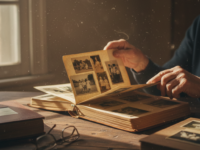
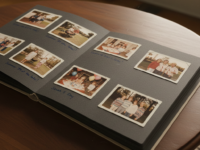
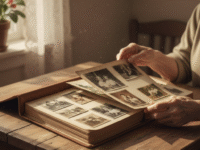
Photo albums were the most common way families preserved memories. These weren’t random collections; they were carefully curated stories.
-
Birthdays
-
Weddings
-
School events
-
Religious ceremonies
-
Family trips
Each album told a chapter of life, often arranged chronologically.
Handwritten Notes and Dates
Under many photos, you’d find:
-
Names
-
Dates
-
Locations
-
Short emotional notes
These handwritten captions added context that modern metadata often lacks. Years later, these notes became priceless.
Printed Photographs and Shoe Boxes
Not every family had fancy albums. Many stored photos in:
-
Shoe boxes
-
Envelopes
-
Drawers
-
Old suitcases
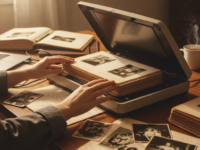
Even without organization, these collections held deep emotional value. Opening such a box felt like traveling back in time, discovering forgotten faces and moments.
Family Storytelling: Memories Without Photos
Photos were powerful, but stories were just as important.
Oral History at Home
Families passed memories through:
-
Evening conversations
-
Family gatherings
-
Bedtime stories
-
Religious or cultural events
Parents and grandparents described moments in detail, allowing children to imagine times they never lived through.
In many cultures, storytelling was the primary archive—memories lived through words, not images.
Letters, Diaries, and Journals
Before instant messaging, people wrote letters that were:
-
Emotional
-
Detailed
-
Thoughtful
Families preserved:
-
Love letters
-
War-time letters
-
Migration letters
-
Diaries
These writings captured feelings, not just events—something photos alone cannot always express.
Home Videos and Camcorders
In later decades, some families used:
-
VHS camcorders
-
Cassette tapes
-
Audio recordings
These were:
-
Rare
-
Expensive
-
Used only for special occasions
Watching old home videos today feels magical because they capture:
-
Real voices
-
Natural laughter
-
Everyday moments
Cultural and Religious Memory Keeping
Many families preserved memories through:
-
Religious books
-
Event certificates
-
Handwritten records
-
Marriage contracts
-
Family trees
These documents became proof of identity, history, and belonging.
The Ritual of Viewing Memories Together
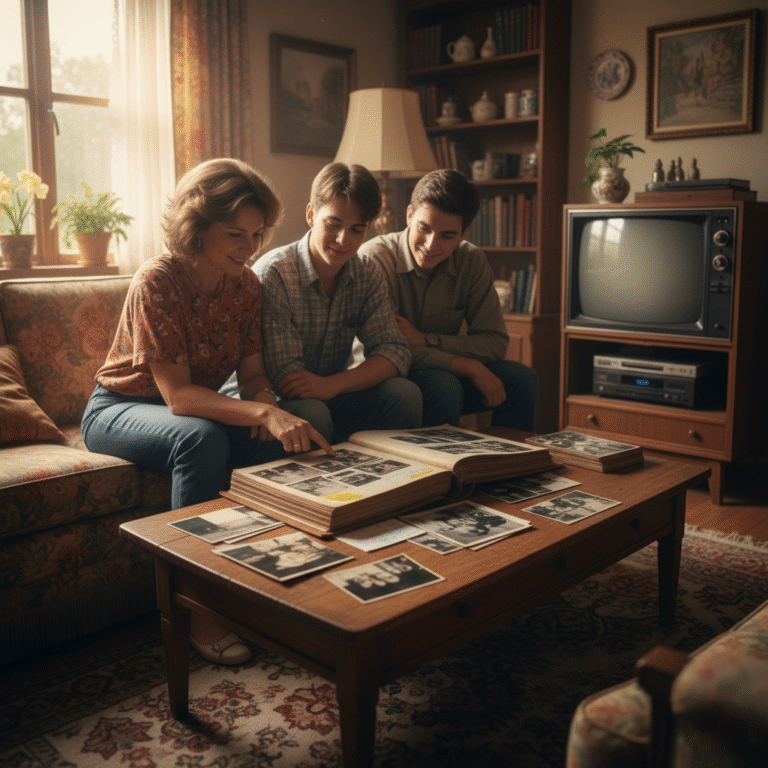
One of the most beautiful differences from today was how memories were shared.
Families often:
-
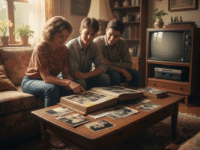
Sat together to view albums
-
Told stories while turning pages
-
Laughed and cried together
-
Passed albums to younger generations
Memories were collective experiences, not private scrolling sessions.
What We Lost—and What We Can Learn
Smartphones gave us:
-
Unlimited storage
-
Instant sharing
-
High-quality images
But we lost:
-
Intentional photography
-
Emotional patience
-
Physical connection with memories
Looking back teaches us that memory preservation is not about technology—it’s about care, meaning, and human connection.
Bringing Old Values Into the Digital Age
Today, we can:
-
Create digital albums with intention
-
Write captions and stories
-
Print selected photos
-
Preserve memories thoughtfully
By combining old habits with modern tools, we can honor the way families preserved memories before smartphones—with heart, not just storage space.


0 Comments