
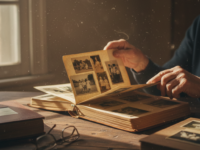


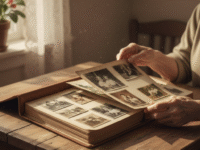







Before cloud storage, smartphones, and social media timelines, family memories lived in a very different place — photo albums. The 1980s were a golden era for printed photographs, where every image had weight, intention, and a story behind it. Family albums from this decade weren’t just collections of pictures; they were handcrafted memory books that reflected emotions, culture, and daily life.
Let’s take a deep look at how family albums looked in the 80s, what made them special, and why they still feel more personal than today’s digital galleries.
The Physical Feel of 80s Photo Albums
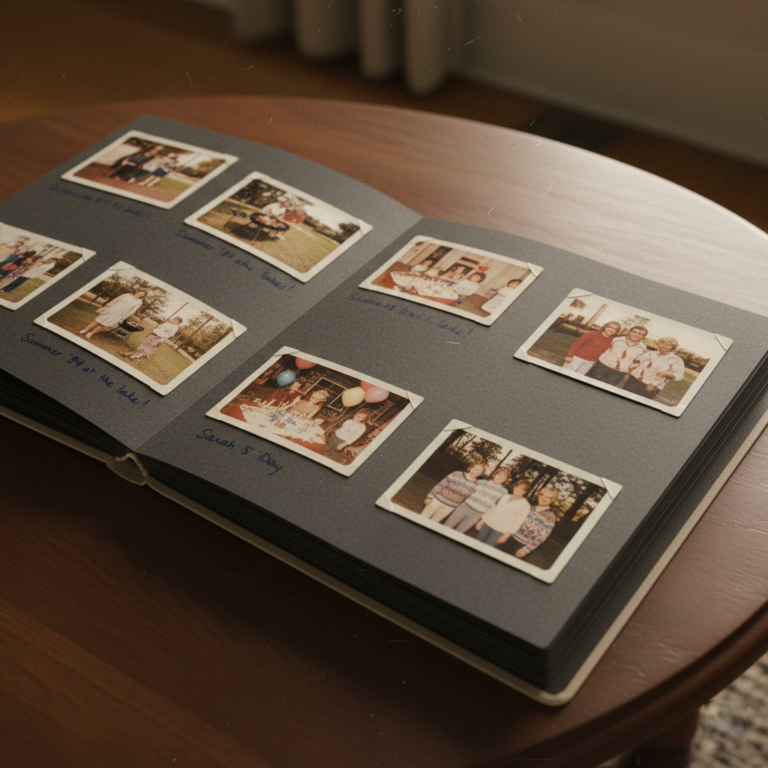
Most family albums in the 1980s were large, heavy, and meant to last. Popular formats included:
-
Thick cardboard pages with tissue paper separators
-
Leatherette or fabric-covered covers
-
Spiral-bound or screw-post binding
-
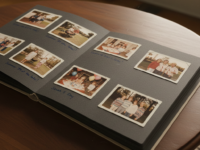
Dark-colored pages (black, navy, or brown)
Each album had a distinct smell — a mix of paper, glue, and time — something digital photos will never replicate.
Photos were often manually inserted using:
-
Photo corners
-
Glue sticks
-
Transparent adhesive sheets
This process alone made album creation a slow and meaningful ritual.
The Look of 80s Photographs
The photos inside these albums had a very recognizable style:
 Color & Quality
-
Slightly faded colors over time
-
Warm tones, often yellowish or reddish
-
Visible film grain
-
Occasional blur due to long exposure times
Unlike today’s sharp, over-processed images, 80s photos felt raw and real.
 Limited Shots, More Meaning
Film rolls were limited — usually 24 or 36 exposures.
This meant:
-
Fewer photos per event
-
No retakes unless truly necessary
-
Every photo had value
Each click of the camera was a decision.
What Moments Were Preserved?
Family albums from the 80s followed a fairly consistent pattern worldwide.
Common Album Themes
-
Birthdays with homemade cakes
-
School first days
-
Weddings and engagements
-
Eid, Christmas, or cultural festivals
-
Family picnics and road trips
-
New house celebrations
-
Black-and-white baby photos
There were no selfies — almost every photo was taken by someone else, often a father, uncle, or neighbor.
Handwritten Notes and Decorations
One of the most beautiful elements of 80s albums was handwritten captions.
Below photos, you’d often see:
-
Names and dates written in blue ink
-
Funny comments (“First day at school!”)
-
Emotional notes (“Our happy family”)
Some families added:
-
Stickers
-
Dried flowers
-
Greeting card cutouts
This turned albums into storybooks, not just photo collections.
The Social Ritual of Album Viewing
Family albums were not private archives.
They were:
-
Brought out during family visits
-
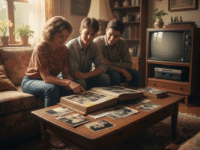
Shown to guests after tea
-
Passed from hand to hand
People sat together, laughed, explained stories, and remembered faces.
Albums created conversations, something scrolling rarely does today.
Why 80s Albums Feel More Emotional Than Digital Photos
Modern technology allows us to take thousands of photos — yet many are forgotten.
80s albums feel more emotional because:
-
They required effort to create
-
Photos were printed, touched, and revisited
-
Albums aged alongside families
-
Memories were curated, not dumped
Psychologists even suggest that physical photos trigger stronger emotional recall than digital ones.
(Source: American Psychological Association – https://www.apa.org)
The Decline of Printed Albums
With the rise of:
-
Digital cameras
-
Smartphones
-
Cloud storage
Printed albums slowly disappeared.
Photos now live on:
-
Hard drives
-
Phones
-
Social media platforms
But many families later realized they lost memories forever due to:
-
Device failure
-
Forgotten passwords
-
Deleted accounts
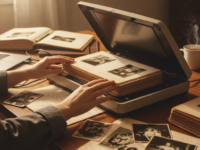
This has renewed interest in digitizing and preserving old albums.
Helpful resource: Library of Congress photo preservation guide
https://www.loc.gov/preservation/care/photographs/
Bringing the 80s Album Spirit Back
Today, people are rediscovering the charm of old albums by:
-
Printing selected photos
-
Creating memory books
-
Scanning and restoring old pictures
-
Making hybrid digital + physical albums
Services and tools now exist to restore faded 80s photos while preserving their original feel.
Good overview: National Archives – Caring for Family Photographs
https://www.archives.gov/preservation/family-archives/photographs
Final Thoughts
Family albums from the 1980s remind us that memories were once slow, intentional, and shared.
They weren’t perfect — but they were honest.
In a world overflowing with images, the 80s album teaches us an important lesson:
It’s not about how many photos you take, but how deeply you remember them.


0 Comments